By: David J. Smith, November 3, 2014
I have previously written about the need for career education, particularly at the community college level, to emphasis “soft skills” as part of vocational preparation. Programs often focus significant attention on technical skills without recognizing that it is often soft skills which make the difference in a new employee succeeding at work. Fields where interpersonal interaction is a significant part of the work environment must especially give equal attention to preparing new employees to deal with conflict, cultural diversity, working in teams, sorting out competing priorities, and other situations where soft skills are demanded.
A good example is nursing, where young nurses can find themselves in situations where they are dealing with hostile co-workers and supervisors. Lena Choudhary of Anne Arundel Community College (MD) in “Lateral Violence in Healthcare Environments: Anne Arundel Community College’s Approach to Teaching Conflict Management Skills” (page 14), published in the May 2014 edition of Nevada RNFormation, addresses approaches to preparing entry level nurses for dealing with conflict. Other career education fields would be wise to consider developing similar instructional strategies.
On October 30, 2014 at Cuyahoga Community Community in Cleveland, OH I offered a workshop for students titled “Peace, Conflict and Careers: How Can I Become a Professional Peacebuilder?” The objective of the 90 minute session was to have students reflect on ways in which their careers can benefit from applying soft skills. I was hosted by the Global Issues Resource Collaborative.

I shared statistics from Consulting Psychologists Press which points to the need to focus on negotiation and conflict sensitive skills. For instance, the average worker spends 2.8 hours a week dealing with conflict in the office. And 42% of employees felt that their employers needed to do a better job of addressing personal conflicts in the workplace. “Chronic unresolved conflict” is the deciding factor in 50% of cases where an employee decides to leave his job, and is one of the primary reasons cited in 90% of terminations.
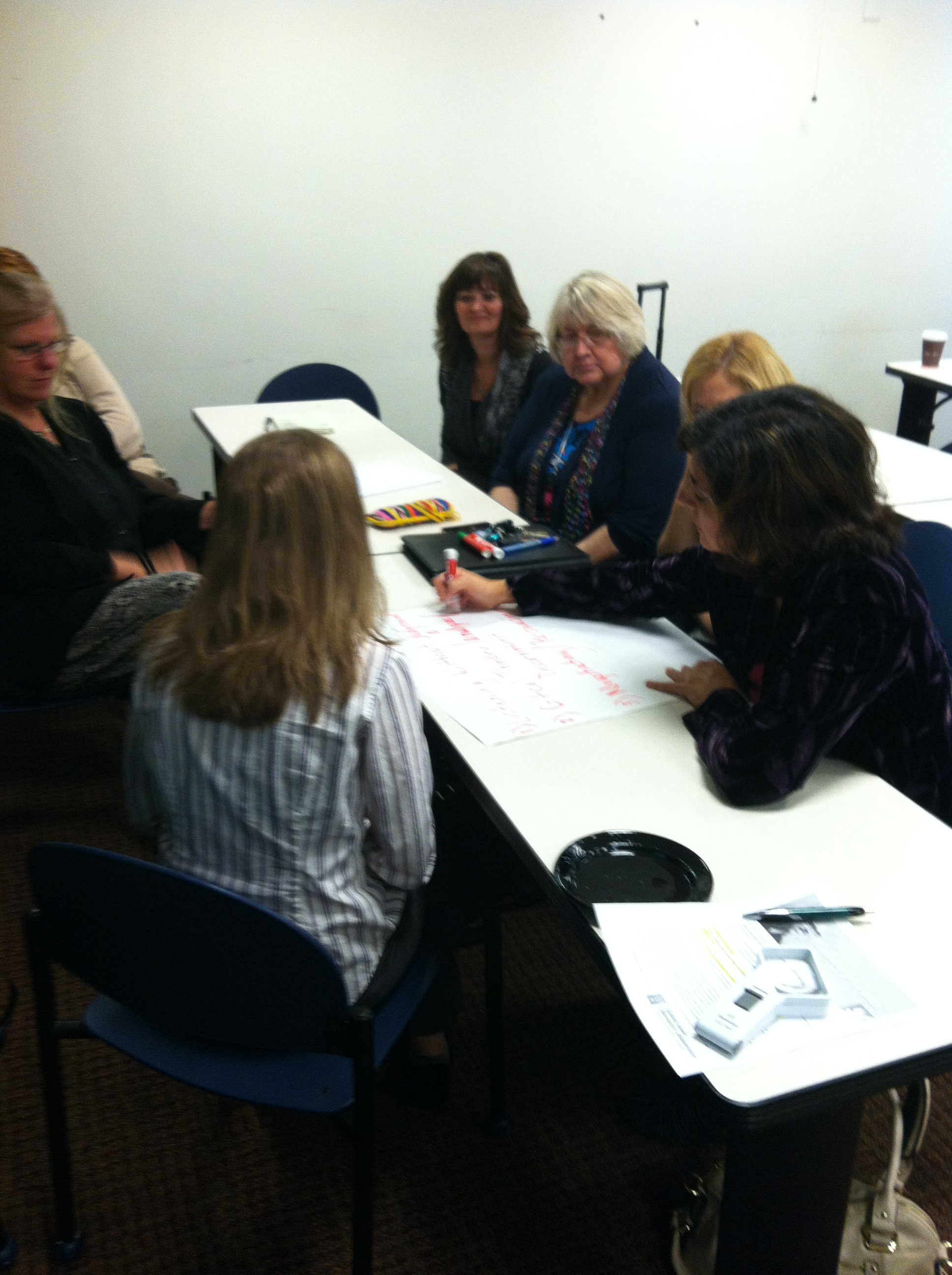
Next, I asked students to consider 3 soft skills/abilities and how they might be used in the workplace. This was done in groups. Students responded with skills/abilities such as listening, negotiating, taking leadership, and cultural sensitivity. The lists were then posted around the room.
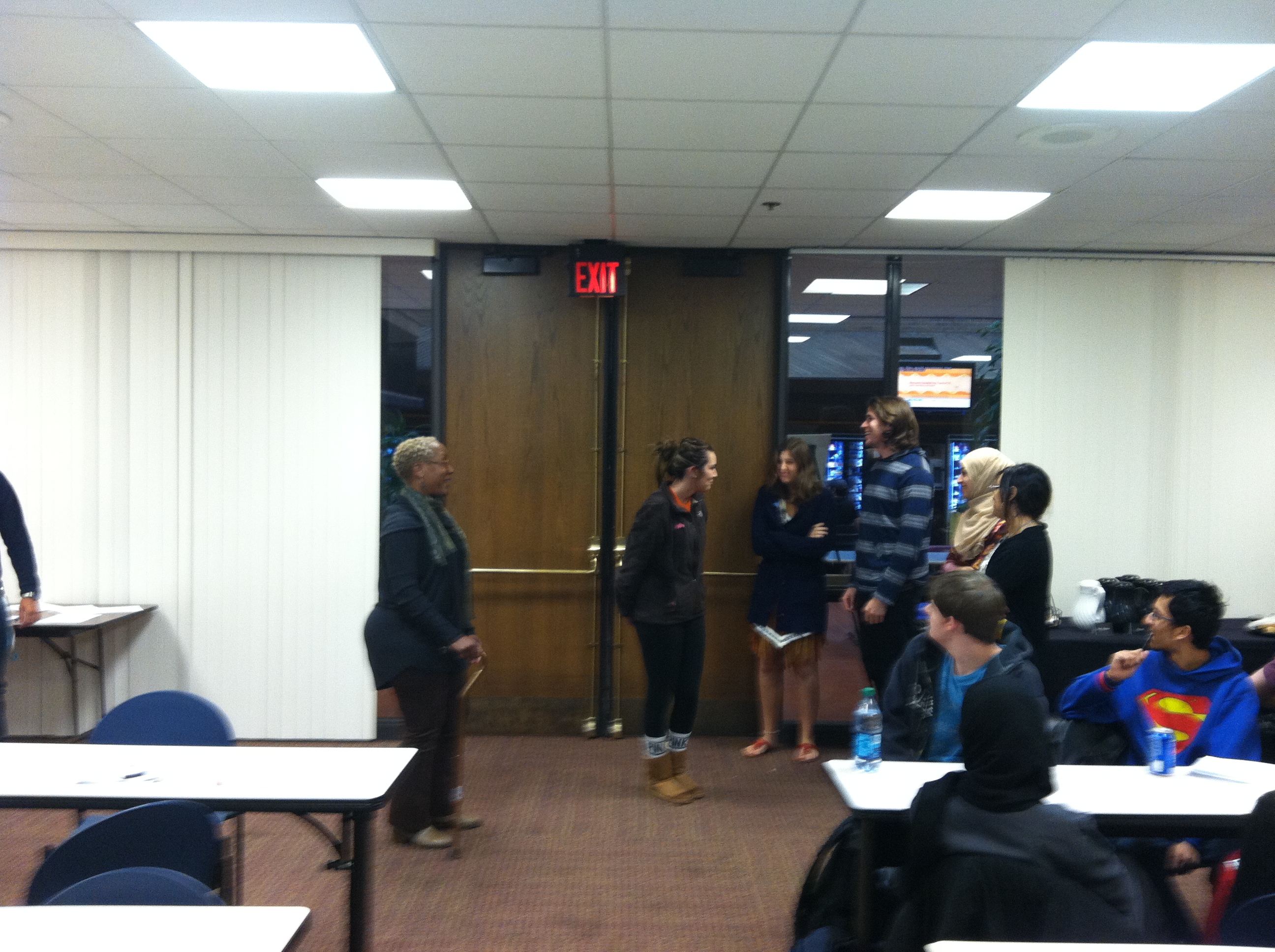
Finally, working again in groups (but reconfigured), I had students consider scenarios where employees were faced with conflict at work. Students were asked to pick the necessary skills they might apply from the lists, and finally present a short skit on how the situation might run if the skills were used. Scenarios included a new nurse facing hostility from a supervisor because of her ethnicity, a young staff accountant dealing with an angry client, and a volunteer firefighter standing up to his fellow firefighters who are bullying a new member because of her sexual identity. They are attached below.
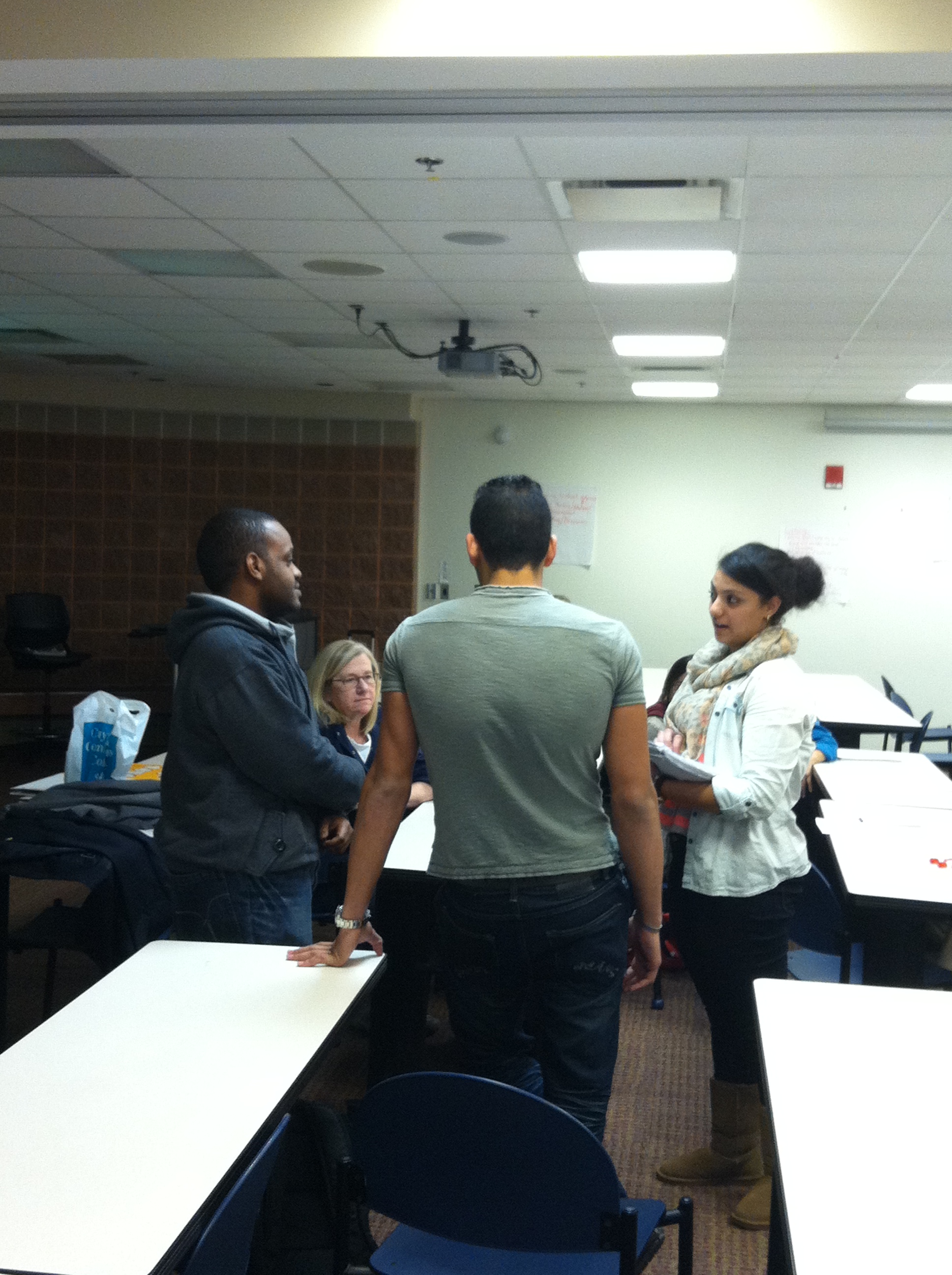
I find that students on career paths can identify the soft skills needed in dealing with others, resolving conflict, and promoting cultural differences at work. However, faculty infrequently provide opportunities for students to work on these skills.
THE NEW NURSE PDF David J. Smith 10.2014
TROUBLES DURING TAX SEASON PDF David J. Smith 10.2014
THE NEW VOLUNTEER AT THE FIRE STATION PDF David J. Smith 10.2014
 David J. Smith Consulting, LLC